
How to Wash Gym Clothes and Athletic Gear: Eliminate Trapped Odors and Protect Spandex
- Never use liquid fabric softener on activewear: it coats synthetic fibers with a waxy residue that locks in odor-causing bacteria.
- Always wash workout gear in cold or lukewarm water to preserve the elasticity and fit of spandex, Lycra, and compression blends.
- A distilled white vinegar pre-soak or rinse breaks down stubborn sweat enzymes and detergent buildup without damaging moisture-wicking technology.
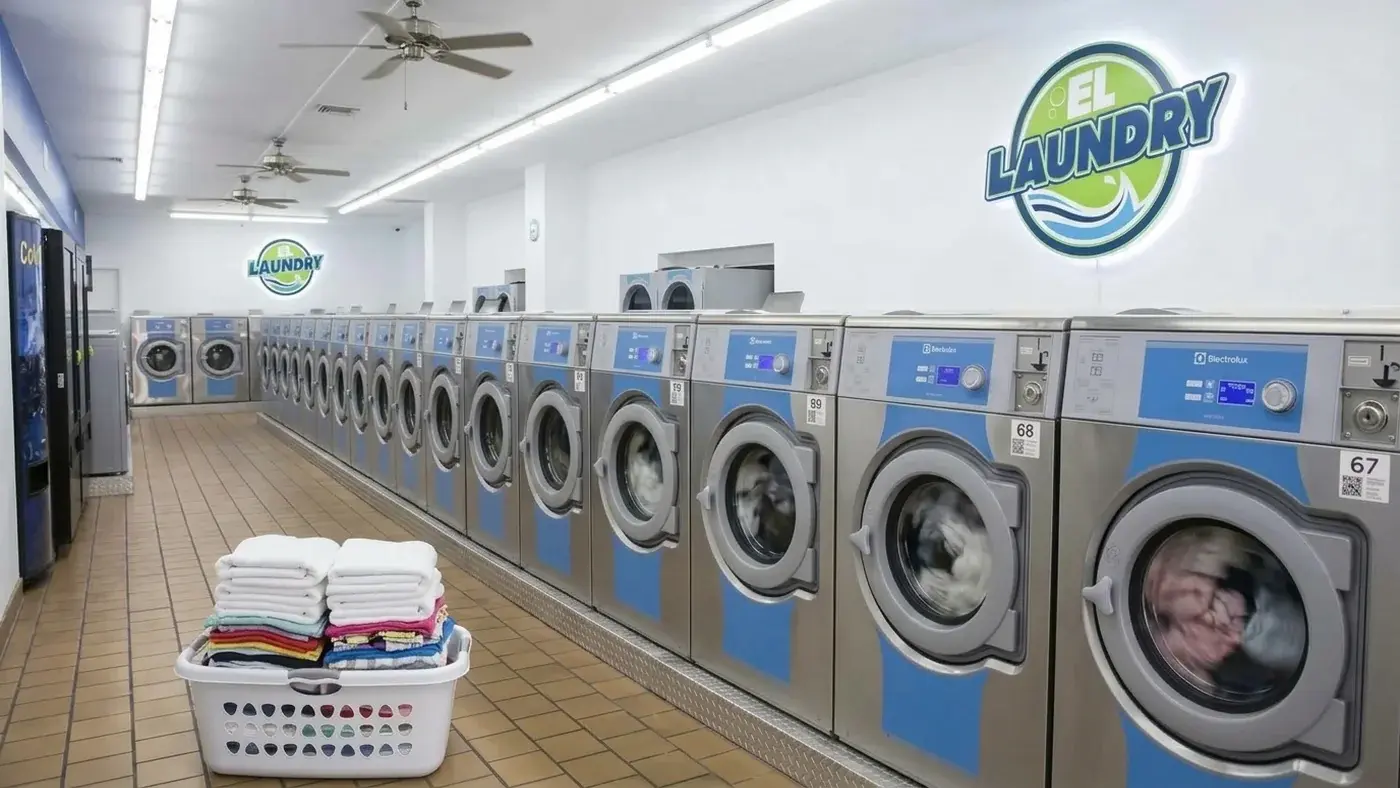
- Our high-spin commercial Electrolux washers at Sedano's Plaza extract 50% more moisture during the spin cycle, drastically reducing air-drying times.
- Full-service Wash & Fold drop-off is available from just $1.00/lb on midweek days (Tue–Thu) if you prefer professional care for your activewear. Call (786) 803-8622 for details.
The Synthetic Fabric Dilemma: Why Gym Clothes Hold Onto Sweat Smells
Modern performance activewear—from running shirts and moisture-wicking tops to high-waisted leggings and compression shorts—is predominantly woven from synthetic materials such as polyester, nylon, and spandex (elastane). While these textiles excel at pulling sweat away from your skin during intense workouts, they possess a hidden vulnerability: synthetic fibers are oleophilic, meaning they naturally attract and cling to body oils, lipids, and sweat bacteria.
When laundered improperly in compact home washers, conventional detergents struggle to rinse out these trapped oils. The result is the infamous 'reactivated sweat odor'—clothing smells fine straight out of the laundry basket, but the moment your body warms up at the gym, bacteria reactivate and release unpleasant smells.
- Synthetic technical weaves that trap skin oils and sebum deep inside fibers.
- Dried sweat residue feeding colonies of odor-producing bacteria.
- Heavy home laundry detergents masking odors with synthetic fragrance instead of removing organic buildup.
- Fabric softeners forming an impermeable coating that prevents water and soap from reaching inner fibers in subsequent cycles.
Step-by-Step Professional Routine for Odor-Free Workout Gear
Restoring freshness and extending the life of premium workout apparel does not require expensive specialty chemical additives—only proper technique and cycle control.
Start by turning every gym garment inside out before tossing it into the machine. Sweat, bacteria, and dead skin cells accumulate directly against the inner fabric layer, so washing inside out ensures direct mechanical agitation and soapy water contact on the problem zones.
- Step 1 (Air out first): Never leave damp workout clothes crumpled in a gym bag or enclosed plastic hamper; hang them to dry if not washing immediately.
- Step 2 (Vinegar pre-soak): For stubborn odors, soak garments in cold water with half a cup of distilled white vinegar for 20 minutes before laundering.
- Step 3 (Moderate detergent dose): Use half the standard detergent measurement; excess suds cannot rinse cleanly from tight synthetic weaves.
- Step 4 (Zero fabric softener): Swap commercial fabric softeners for half a cup of white vinegar in the fabric softener dispenser for natural softening and odor neutralization.
- Step 5 (Cold water wash): Select a gentle or athletic cycle with cold water to protect heat-sensitive elastic waistbands and seam bonding.
Drying Activewear: The Hidden Threat to Spandex and Elasticity
High heat is the single greatest enemy of technical activewear. Subjecting Lycra, spandex, and moisture-wicking polyester to hot dryer cycles degrades elasticity, warps waistbands, and permanently bakes remaining odor compounds into the synthetic threads.
The gold standard is air drying: lay leggings and sports bras flat on a drying rack or hang shirts away from direct sunlight. If you must use a commercial dryer due to a tight schedule, strictly choose the 'Low Heat' or 'Delicates' setting for no more than 15 to 20 minutes.
Prefer Us to Do Your Laundry?
Save hours each week with our same-day Wash and Fold service from $1.00/lb in Hialeah.
Related Articles
Guide to Caring for Delicate Fabrics: Linen, Baby Clothes, and Fine Textiles
Learn how to safeguard delicate wardrobe items using mesh wash bags, mild temperatures, and gentle spin settings.
How to Remove Stubborn Stains: Practical Guide for Grease, Coffee, Wine, and Sweat
Professional laundry tips to rescue stained shirts and garments without stripping colors or weakening cloth fibers.